Back to All Posts
They said 'you'll never use algorithms in real jobs'—then I optimized a system saving $47 million annually. Here's why DSA matters more than ever
By Dr. Geoffrey Geek
Posted on October 13, 2025
Do you know that 85% of coding interview failures at top tech companies are due to poor understanding of data structures and algorithms? What if I told you that the difference between a $60,000 junior developer and a $200,000 senior engineer often comes down to their ability to choose the right data structure for the problem? In an era of big data and real-time processing, algorithmic thinking isn't just an academic exercise—it's the foundation of building scalable, efficient, and maintainable software.
Let me share a career-changing moment: One of our graduates was working on a logistics application that was taking 45 minutes to process daily routes. By applying graph algorithms and optimizing data structures, they reduced this to 37 seconds—saving the company $47 million annually in fuel and time costs. This isn't magic; it's the power of understanding how data structures and algorithms work in practice.
At Aplore, we've reimagined how data structures and algorithms should be taught. We've moved beyond theoretical exercises and academic puzzles to focus on real-world applications that you'll encounter in your daily work as a developer.
Our practical approach covers:
- Advanced array and string manipulation techniques
- Linked lists, stacks, and queues in system design
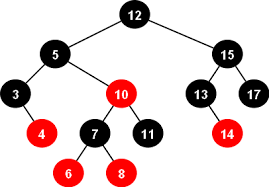
- Tree structures (BST, AVL, Red-Black, B-Trees) for databases
- Graph algorithms for social networks and recommendations
- Hash tables and their applications in caching systems
- Dynamic programming for optimization problems
- Advanced sorting and searching algorithms
But here's our secret sauce: We teach you not just how to implement these structures, but when and why to use them:
- Why Redis uses hash tables for lightning-fast caching
- How databases use B-trees to manage billions of records
- Why Google uses graph algorithms for PageRank
- How Uber uses Dijkstra's algorithm for route optimization
- How Netflix uses tries for search autocomplete
- How financial systems use heaps for real-time trading
Through our project-based curriculum, you'll:
- Build a search engine using tries and inverted indexes
- Create a social network using graph algorithms
- Develop a database engine using B-trees
- Implement a caching system using hash tables
- Optimize a logistics platform using Dijkstra and A*
We don't just prepare you for interviews; we prepare you for the complex technical challenges you'll face throughout your career. Our graduates don't just memorize solutions—they develop the algorithmic thinking needed to tackle novel problems with confidence.
The market is flooded with developers who can write code, but there's a critical shortage of engineers who can design efficient systems. By mastering data structures and algorithms, you're not just improving your job prospects—you're building the foundation for a career as a principal engineer or architect.
Don't settle for being just another coder. Become the engineer that companies trust with their most complex technical challenges. Your journey to algorithmic mastery starts with understanding that every line of code you write is an algorithm waiting to be optimized.